By Dan Walsh
Wexford RNLI volunteers launched their inshore lifeboat at 3.20pm on Saturday after the Irish Coast Guard received reports of a windsurfer in difficulty near Ardcavan beach in Wexford Harbour.
The lifeboat helmed by Damien Foley launched and proceeded to the scene at a moderate speed. Conditions at the time were rough as Wexford was experiencing severe weather brought on by Storm Boelo, featuring a strong south-westerly wind gusting force 8 at times against a rising tide, creating a heavy swell in the harbour.
When the lifeboat arrived at the scene at 3.38pm, the windsurfer had already made it safely to the shoreline unaided. After confirming that the windsurfer was safe and well, the crew were stood down and proceeded back to the station.
The return journey proved particularly challenging amidst the Storm Boelo conditions, with the lifeboat battling a 1.5m short swell driving spray, force 9 winds, a rough sea state, and moderate visibility amid cloudy rain that made visibility poor.
The call out marked the first operational launch for the station’s new lifeboat, Cill Dara, after Kildare RNLI Fundraising Branch raised €117,000 for the lifesaving asset.
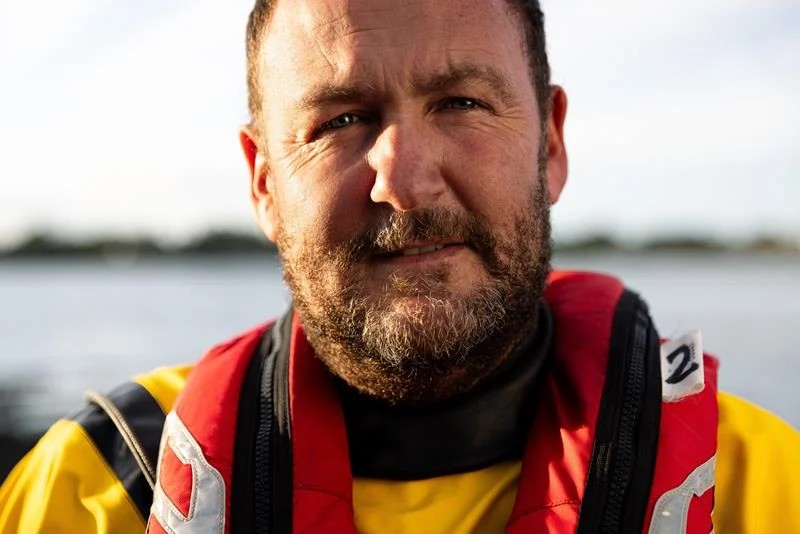
Speaking after the call out, Wexford RNLI Helm Damien Foley said: “The crew did exceptionally well handling the difficult weather conditions out on the water. It was a challenging first shout for our new lifeboat, Cill Dara, but everyone performed brilliantly.
‘We would remind anyone planning a trip or activity at sea to always check weather and tide forecasts before heading out, to wear a suitable personal flotation device, and carry a means of calling for help such a fully charged mobile phone in a waterproof pouch. If you get into difficulty or see someone in trouble on or near the water, dial 999 or 112 and ask for the Coast Guard,” concluded Mr Foley.