By Dan Walsh
Last January Minister of State for Nature Malcolm Noonan TD announced that the new Seas off Wexford SPA (special protection area) would be designated under the EU Birds Directive, will cover more than 305,000 hectares of marine waters for a range of bird species and give protection to 20 species, including puffins.
This news was first published on WexfordLocal.com under the heading ‘Seas off Wexford safer for the birds’ on January 13th and is available online.
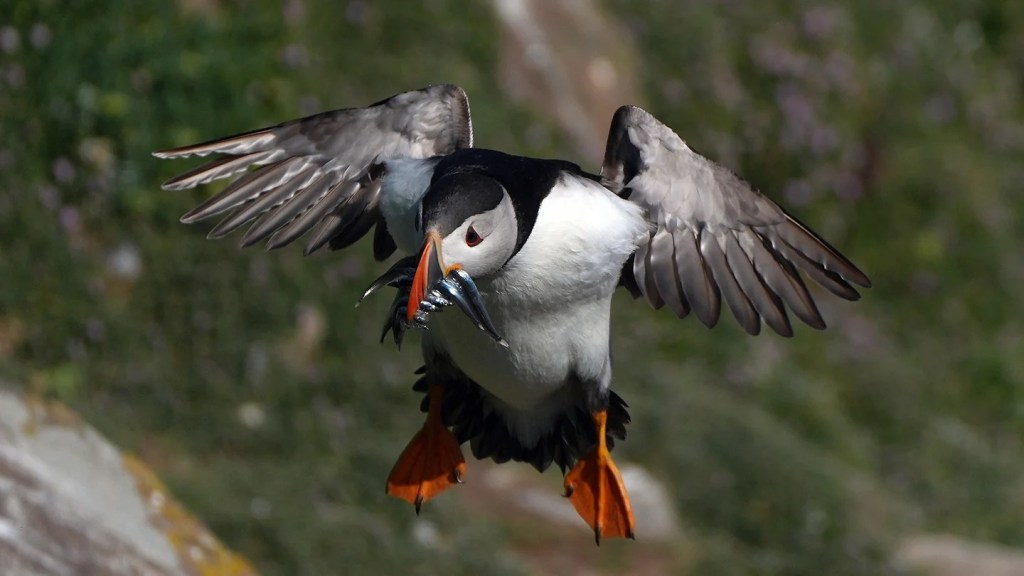
A spokesperson for the National Parks and Wildlife Service (NPWS) said the new SPA for seabirds off the coast of Co. Wexford could help to safeguard the puffin population on the uninhabited Saltee Islands.
It is believed that the number of puffins nesting on the islands five kilometres off the Irish coast has begun to rise again after years of decline. The breeding season usually starts in late March or early April, finishing in July or August.
The spokesperson said: “A recent series of counts of puffin at the Saltee Islands earlier this year indicate that the breeding population across these islands, which experienced a pronounced decrease at the turn of the century, is now increasing.
“While the population increase is good news, there are challenges for puffin in its nesting habitat. Puffin nest in colonies, at some locations such as the Great Saltee Island, the nests are mostly in old burrows, but the NPWS has addressed a previous problem of predation through a rat eradication programme.
“The main concern for puffin now is the level of recreation pressure on the island, with numbers of daily visitors to the island increasing significantly in recent years.”
Dr Mark Jessopp, senior lecturer in zoology at University College Cork, said: “The SPA designation ensures that additional measures are put in place to ensure that the vulnerable seabird populations in the area, including puffins, are fully considered when it comes to any future developments.
Dr Jessopp said the main limitation of the SPA was that it did not put many restrictions on fisheries. He said the main threat to puffins on the islands is land-based predation and disturbance.
 WexfordLocal.com